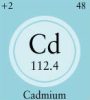
The Facts on Cadmium
What is Cadmium?
In its pure form, cadmium is a silvery
white, malleable metal with a bluish hue. It is found naturally in the earth's
crust and is a relatively rare metal, ranking 67th in abundance among the 90
naturally occurring elements on Earth. Cadmium is odorless and tasteless, and
chemical analysis is most often required to detect its presence. Because it
readily reacts with other elements, cadmium is rarely found in its pure, or
elemental, form but rather coupled with other elements in a variety of
compounds, including some that are extremely toxic. Two forms of cadmium
compounds, cadmium sulfates and cadmium chlorides, dissolve so easily in water
that people rarely find them in nature in their solid form.

Friedrich Stromeyer
Cadmium is primarily found in
zinc-containing ores, but it may also be found in lead and copper ores. The
primary mineral form of the metal is greenockite or
cadmium sulfide. Other mineral forms — such as otavite
or cadmium carbonate — exist but are fairly rare.
Pure cadmium metal was first identified
by German chemist Friedrich Stromeyer (1776-1835) in
1817. Stromeyer had been heating samples of zinc
carbonate in his laboratory and observed that they were becoming discolored at
high temperatures. Knowing that pure zinc carbonate does not discolor, Stromeyer reasoned that some impurity must have caused the
reaction. He created an experimental procedure to identify the impurity and was
able to isolate the silver-blue metal.
Where is Cadmium Found?
Cadmium is extremely rare in the
Earth's crust, with less than one-fifth of a gram of the metal — about one
fifth of the metal in a thumbtack — in every ton of crustal material. Cadmium
can be spread through the air by the wind through natural processes such as
erosion, or through the combustion of cadmium-containing ores in volcanic
emissions. Airborne particles of cadmium settle onto the ground and waterways
as dust. Though surface waters can contain some dissolved cadmium,
concentrations tend to be low since the metal is readily absorbed by sea life,
especially shellfish. Because of this absorption of cadmium by aquatic life,
the U.S. Environmental Protection Agency (EPA) has issued fishing advisories
related to cadmium for coastal waters around New York, Connecticut, and New
Jersey.
Humans play a significant role in
creating concentrated sources of cadmium and releasing it into the environment
through activities such as mining, smelting and refining metal ores —
particularly zinc, lead and copper. Cadmium is also emitted into the atmosphere
from fossil fuel burning, waste incineration and steel production. Soil and
water near industrial areas or waste sites may contain higher concentrations of
cadmium. All told, an estimated 4,000 to 13,000 tons of cadmium are released
into the environment every year as a result of human activities.
Most commercial cadmium is obtained as
a byproduct of zinc ore refining, though cadmium can also be recovered from
recycled materials such as nickel-cadmium batteries and metal scrap. The United
States is the world's primary producer of cadmium, generating an estimated
1,100 tons of the metal per year.
What are the Uses of Cadmium?
Until the mid-1900s, cadmium was used
primarily as a leather tanning agent or as a pigment in dyes, but it was not
widely used even in these applications. Today, cadmium is used primarily in
rechargeable batteries, usually in combination with nickel or silver oxides
(The term "Ni-Cad" or "Ni-Cd" refers to batteries
containing nickel and cadmium.). Solar rechargeable nickel-cadmium batteries
have been used on space exploration missions, including the Magellan probe that
explored the planet Venus.

The use of cadmium in batteries
accounts for roughly three quarters of the cadmium consumption in the United
States. Since it is a disposable consumer product, Ni-Cad batteries also
account for over half of the cadmium waste produced. Most consumer products
contain sealed Ni-Cad batteries as opposed to the vented Ni-Cad batteries used
in aircraft, buses and diesel locomotives, which emit a significant amount of
cadmium to the environment.
Because it does not react with alkali
(basic) chemicals and it reacts only slowly with hot hydrochloric acid, cadmium
plating provides excellent protection from highly corrosive chemicals like
acids and bases. Cadmium is often used to electroplate steel, copper, iron and
brass in applications where those metals will be exposed to weather or to
corrosive materials.
Cadmium plays a critical role in
several cutting-edge technologies such as solar cells, through applications
that take advantage of its unique physical properties.
Cadmium is grouped among the elements
known as transition metals. Certain transition metals can act as both
electrical conductors and insulators depending on slight alterations in their
chemical structure. Silicon and germanium are good examples of such transition
metals. These elements can also absorb certain wavelengths of electromagnetic
radiation, turning the sun's rays into usable electric energy. Since cadmium is
a transition metal with a chemical structure similar to silicon and germanium,
it possesses some of the same semi-conducting qualities. By evaporating a
compound of cadmium known as cadmium telluride onto glass or plastic, engineers
can create a semi-conducting layer only several atoms thick. The resulting
product serves as an ultra-thin, highly energy efficient solar cell. Such
thin-film solar cells may provide a cost-effective and efficient solution to
the energy needs of the future.

Cadmium has also found its way into a
variety of other products. It is sometimes used to chemically stabilize certain
plastics, and it can also be used to produce special solder alloys that melt at
relatively low temperatures. In paints, cadmium sulfide lends a yellow hue,
while cadmium selenide produces colors ranging from
yellow to red. Control rods and shields for nuclear reactors may contain
cadmium because of its ability to absorb emitted particles. Cadmium is also
used to make phosphor compounds that glow when bombarded with electrons, the
technology that produces the image in a television tube.
Do we Need Cadmium for Health?
Though trace amounts of many metals are
essential for the health of living things, there is no scientific evidence
showing a nutritional role for cadmium.
Is Cadmium Harmful to Humans or Ecosystems?
Humans can be harmed by a single large
exposure to cadmium, and by long-term exposure to higher-than-usual
concentrations. Until the mid-1900s, cadmium had few industrial uses. People
were rarely exposed to concentrated doses of cadmium and the metal was not recognized
as a health concern. But as new uses for cadmium were found, and as the
industrial processes that produce the metal increased worldwide, the toxic
effects of cadmium began to surface.
Some of the earliest cases of cadmium
poisoning were reported in Belgium in 1858 in workers who inhaled cadmium dust
as a result of polishing silver with cadmium carbonate. This kind of exposure
can cause severe respiratory distress, emphysema, and even death.
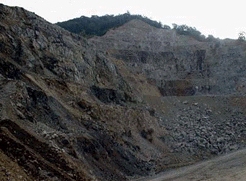
Kamioka Mine, Japan
Public awareness of cadmium's toxic
effects rose with the post-World-War-II outbreak of the Itai-Itai” Disease (“Ouch-Ouch” Disease) in Japan,
which had been caused by a release of cadmium into the run-off water from the Kamioka mine. Farmers in the region used the run-off to
irrigate rice patties and other crops. Cadmium quickly became concentrated in
the crops, and before long local women began to experience pain in their bones
and joints, which eventually became so excruciating that they were bed-ridden.
The cadmium, it was later found, had interfered with calcium metabolism,
leading to reduction in calcium content and the density and strength of their
bones. Simple movements, in some cases, caused the weakened bones to break.
Removing cadmium from industrial wastewater halted the incidence of this
extremely painful type of chronic cadmium poisoning and no new cases have been
recorded in Japan since. (Itai-itai occurred
primarily in post-menopausal women who had several children and was probably
related as well to vitamin D deficiencies, hormonal status and other factors.)
The toxicity of cadmium is attributed,
in part, to its ability to accumulate in living things. Cadmium is rare in
nature and consequently plants and animals have not evolved with efficient
means of metabolizing large amounts of the metal. Small amounts of the metal
are bound up by the protein metallothionein and are
removed from the body, but since organisms are unable to isolate and remove
large amounts efficiently, long-term exposure to high levels can result in
accumulation in body tissues. Under these conditions,
cadmium can remain in the
body for years. Most of the metal accumulates in the bones, liver and kidneys,
where it can damage the functioning of those organs.
Cadmium can
also bioaccumulate in the ecosystem. Crops treated
with cadmium-containing fertilizer or commercial sludge can accumulate
above-normal cadmium concentrations and pass them on through the food web to
higher organisms such as livestock and humans as in the case of the Kamioka mine in Japan.
Some organisms absorb cadmium better
than others. Among plants, staple foods such as wheat, rice and potatoes have
been shown to accumulate higher amounts of cadmium. The overall highest levels
of cadmium in food can be expected in the livers and kidneys of animals and in
shellfish such as oysters and clams.
How are People
Exposed to Cadmium?
According to the Agency for Toxic
Substances and Disease Registry, foods account for more than 90 percent of
human exposure to cadmium. On average, people consume about 30 micrograms of
cadmium daily through a normal diet, absorbing 1 to 3 micrograms. There is
currently no evidence that these trace levels pose a hazard to healthy adults.

Cigarette smokers, however, typically
sustain significantly higher exposure. Cadmium inhaled through cigarette smoke
is more easily taken up by the body than cadmium in food or water. From 40 to
60 percent of the cadmium inhaled in smoke is absorbed into the bloodstream as
opposed to the 5 to 10 percent absorbed through foods. Each cigarette contains
roughly 1 to 2 micrograms of cadmium, and smokers absorb an additional 1 to 3
micrograms of cadmium into their systems daily for every pack they smoke.
Studies have shown that smoking more than 20 cigarettes daily can increase
cadmium levels in the body tenfold.
Those who work in or live near
industries that produce or use cadmium — such as battery manufacturing, ore
refining, metal soldering, or welding — can also be exposed by drinking it in
contaminated water or inhaling it from the air, though there are workplace and
environmental regulations to protect people from these exposures.
How does Cadmium Harm Living Things?
Cadmium is known to accumulate in the
kidneys, and some scientists believe that damage to kidney tissue may lead to
kidney disease, high blood pressure and heart disease. Calcium related kidney
damage leads to calcium deficiencies in the rest of the body, particularly in
the skeleton. As the "Itai-Itai" syndrome
made clear, in extreme cases cadmium can contribute to aching bones and joints,
progressing to extreme deformities and brittleness of bones. Some humans with
high blood pressure have been found to have abnormally high amounts of cadmium
in their urine, and animals given cadmium in food or water developed kidney and
liver disease, high blood pressure, iron-poor blood and nerve or brain damage.
Fortunately there have been no reported cases of Itai-Itai
since the 1960s.
Exessive cadmium exposure may
weaken the body's immune system, and it is also believed to be linked to lung
cancer. Some studies suggest it causes prostate enlargement.
Some scientists
suspect that cadmium may be a reproductive toxin. Some studies have found that
animals exposed to high levels of cadmium had a higher incidence of premature
birth, low birth weight, stillbirth and spontaneous abortion. Animal studies
also suggest that cadmium exposure is linked to behavioral problems and
learning disabilities.
People whose diets are deficient in
zinc, copper, iron, calcium and vitamin D may be at higher risk for health
complications from cadmium. These elements, which look and behave in a way that
is chemically similar to cadmium, can be replaced by cadmium when the essential
elements are in short supply. Bodily proteins that capture and metabolize
essential metals can also absorb cadmium particles due to its similar chemical
behavior.
What are the Symptoms of Cadmium Poisoning?

The symptoms associated with cadmium
exposure depend largely on how cadmium is encountered – through eating or
drinking, breathing or skin contact – and over what period of time the exposure
occurs. A short-term exposure to cadmium in the air can cause bronchial and
lung irritation, and workers who have unknowingly done
welding on cadmium alloys have even died from these complications.
Cadmium in
air presents a serious hazard because it is difficult to detect until
significant damage to the lungs has occurred.
Exposure to highly contaminated food or
water can cause can severe irritation of the digestive tract, including
vomiting, diarrhea and even death. Other symptoms of short-term exposures
include muscle cramps, sensory disturbances, liver injury, convulsions, shock and kidney failure.
Are there Ways to Reduce the Risk of Cadmium
Exposure?
People who work in industries such as
metal processing, electroplating, battery manufacture, and ore refineries
should observe all workplace safety practices, and should also take care to
avoid bringing cadmium dust into their homes — on shoes, other clothing or
tools, for example.
Families can reduce their exposure by
storing products that may contain cadmium — such as fertilizers and
nickel-cadmium batteries — away from children, and by using these products
according to manufacturer's instructions.
Is There a Test for Cadmium Exposure?
There are several tests that indicate
if someone has been exposed to or been harmed by cadmium exposure. Urine or
blood samples can be tested to indicate current and past exposure and may even
be useful in determining if kidney damage has occurred. Hair and fingernails or
toenails are also excellent biomarkers — biological indicators — for cadmium
exposure and can reveal past exposure to the metal.
What are the Government Standards and
Guidelines on Cadmium?

To protect public health the federal
government develops recommendations,
or guidelines, as well as regulations that can be enforced by law. Generally
these are expressed as "not-to-exceed” levels in air, water, soil, or
food. Federal agencies that develop regulations for toxic substances include
the United States Environmental Protection Agency (EPA), the Occupational
Safety and Health Administration (OSHA), and the Food and Drug Administration
(FDA). Federal organizations that develop guidelines or recommendations for
toxic substances include the Agency for Toxic Substances and Disease Registry
(ATSDR) and the National Institute for Occupational Safety and Health (NIOSH).
Under EPA regulations, public drinking water supplies cannot exceed 5 parts of cadmium per billion parts of water (5 ppb). The EPA also limits how much cadmium can be put into lakes, rivers, dumps, and cropland, and does not allow cadmium to be used in pesticides. The FDA limits the amount of cadmium in food colors to 15 parts per million (ppm). The OSHA limit for the amount of cadmium in workplace air is 5 micrograms per cubic meter.
Note: 2620 micrograms per cubic meter = 1 part per million.
Note: 2009 Phoenix Air Particulates analysis showed 1700 Parts per billion (1.7 parts per million) of cadmium in the ambient air
These levels are based on
concentrations that affect animals and are adjusted to protect people.
Regulations and recommendations are updated as new information becomes
available. Not-to-exceed levels may differ among federal organizations because
they assume different durations of exposure (an 8-hour workday or a 24-hour
day), or are based on different animal studies, or other factors.
Source:http://www.dartmouth.edu/~toxmetal/toxic-metals/more-metals/cadmium-faq.html